Digital Wellbeing Free Course Part 7: How to Use Social Media Without Ruining Your Attention Span
PREVIOUS PART:
You can check out the previous part of our course here:
Part 6: How to Handle Notifications Strategically to Avoid Increased Stress Levels
This is Part 7. of our free online course about digital wellbeing.
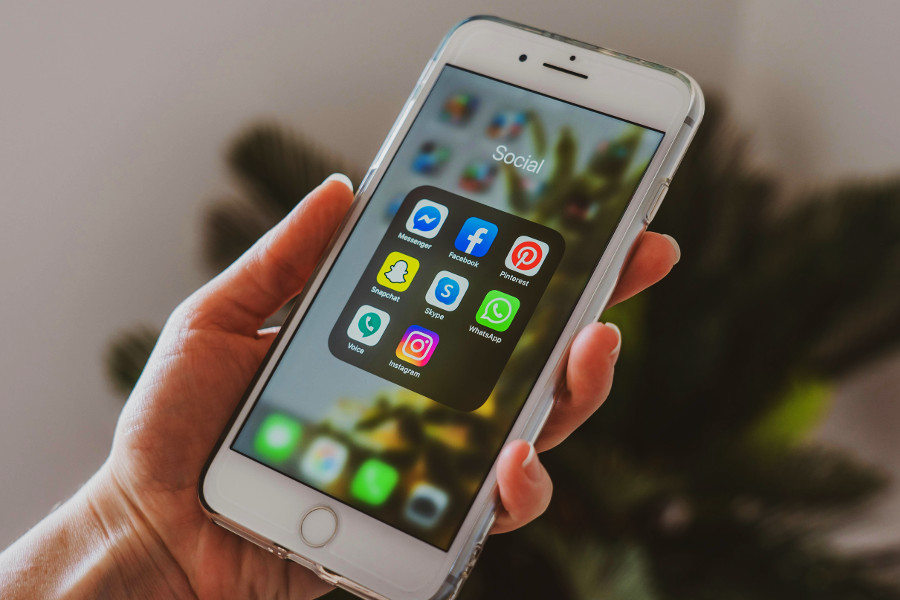
As social media platforms have gained more and more popularity over time, for many people they have become an almost unavoidable part of daily life. It keeps us informed, entertained, and socially connected, but it also comes with a hidden cost: the erosion of our attention span. Many people don’t realize how subtle yet persistent these effects can be. Constant notifications, endless scrolling feeds, and algorithmically curated content can fragment your focus without you noticing. The good news is that with mindful social media use, it’s possible to enjoy the benefits of these platforms without letting them hijack your attention or mental energy. In this article, we’ll explore practical strategies to engage with social media intentionally, protect your focus, and maintain mental clarity.
How Social Media Shapes Your Attention
Social media platforms are designed to capture your attention. Infinite scroll, notifications, likes, shares, and personalized recommendations are all built to trigger small bursts of dopamine, reinforcing the habit of checking apps repeatedly. Each time you scroll, your brain experiences tiny rewards, which can make social media feel addictive. This constant stimulation can fragment attention, making it difficult to focus deeply on work, personal projects, or even conversations with others. Over time, you may notice that completing tasks without interruption becomes increasingly challenging, or that your mind jumps between thoughts, unable to sustain concentration. Recognizing how social media subtly shapes attention is the first step toward using it in a way that supports rather than undermines your focus.
Signs Social Media Is Affecting Your Focus
Not everyone experiences the effects of social media in the same way, but there are some common signs that your attention span is being compromised. You might find yourself compulsively checking your phone even when there’s no notification, or feeling mentally scattered after a short period of scrolling. Tasks that previously required minimal effort now seem to demand more mental energy, and you may notice increased feelings of restlessness or anxiety when offline. Another sign is the inability to stay present in your daily life, whether at work, during meals, or in conversations with friends and family. Paying attention to these signs can help you identify patterns of use that interfere with focus and well-being, creating the motivation to make intentional changes.
Principles of Mindful Social Media Use
Using social media mindfully is about reclaiming control over your attention and engaging with digital platforms intentionally. One of the first principles is curation: follow accounts that provide value, inspiration, or meaningful connection, and mute or unfollow content that triggers stress, comparison, or distraction. Another principle is purpose-driven use: before opening an app, pause to ask yourself why you’re doing so. Are you seeking information, social connection, or entertainment? Being aware of your intent reduces the likelihood of falling into mindless scrolling. Scheduling specific windows for social media consumption instead of spontaneous checking can also help protect your attention. Finally, cultivating mindfulness techniques, such as taking a deep breath before scrolling or noting how certain content makes you feel, encourages conscious engagement rather than automatic behavior.
Strategies to Protect Your Attention Span
Practical strategies can make a significant difference in preventing social media from fragmenting your focus. Here are several approaches that are effective for busy professionals and creatives:
- Use app tools and features: Many platforms offer screen time tracking, usage limits, and notification management. Setting boundaries within the app itself can provide structure and reduce temptation.
- Batch your consumption: Instead of checking social media sporadically throughout the day, allocate specific time blocks for use. This reduces context-switching and allows your mind to remain focused on other priorities.
- Single-task while online: Avoid toggling between multiple apps or performing other work while scrolling. Multitasking may feel productive but actually fragments attention and increases mental fatigue.
- Clean your digital environment: Declutter your feeds, mute unnecessary notifications, and remove accounts that don’t add value. A simpler, curated digital environment is easier to navigate without losing focus.
- Minimalist feeds: Consider limiting yourself to a small number of essential accounts or using ad blockers to reduce algorithm-driven distractions. This keeps your social media experience intentional rather than reactive.
By implementing these strategies, you can reduce the cognitive load that social media imposes, giving your brain more room for deep work, creativity, and meaningful engagement with the real world.
Curating Social Media for Mental Clarity
Intentional curation goes beyond simply unfollowing accounts. It’s about actively shaping your social media environment to support focus, inspiration, and personal growth. Begin by evaluating the accounts you follow and asking yourself whether they align with your goals, values, or desired mindset. Content that triggers anxiety, comparison, or compulsive scrolling should be removed or muted. Regularly “pruning” your feeds keeps your digital environment healthy, and it prevents old habits from creeping back in. Conscious engagement is also key - interact thoughtfully, comment meaningfully, and share intentionally rather than reacting automatically. Over time, a well-curated social media experience can enhance mental clarity, provide genuine connection, and prevent attention fragmentation.
Small Habits That Make a Big Difference
Small, consistent habits often produce more long-term impact than occasional drastic changes. For example, taking a one-minute mindfulness pause before opening social media can help you approach the platform with awareness and intention. Establishing phone-free zones or times, such as during morning routines or meals, protects uninterrupted focus and encourages presence in offline life. Tracking your attention and reflecting on how social media use affects productivity and mood can help you notice improvements when new habits are applied. Even minor adjustments, like rearranging app icons or using grayscale mode, can subtly reduce compulsive use and reinforce mindful engagement. Over time, these small habits compound, helping you maintain attention while still enjoying the benefits of social media.
Conclusion
Social media doesn’t have to be a threat to your attention span. When used intentionally, it can inform, connect, and entertain without leaving you mentally exhausted or distracted. By applying principles of mindful social media use - curation, purpose-driven engagement, and protective strategies for attention - you can enjoy platforms on your terms. Start small, implement one or two changes at a time, and observe how your focus and clarity improve. Mindful social media use is not about restriction or elimination; it’s about reclaiming control over your attention and using digital tools in ways that serve your goals, mental well-being, and overall intentional living.
Actionable Tips: Mindful Social Media Use
- Curate your feed: Follow accounts that inspire or educate; unfollow or mute distracting content.
- Set purpose before scrolling: Know why you’re opening social media - connection, learning, or entertainment.
- Schedule usage: Allocate specific time blocks instead of spontaneous checking.
- Manage notifications: Turn off unnecessary alerts to reduce distractions.
- Batch tasks: Avoid multitasking while scrolling; focus on one activity at a time.
- Small mindfulness habits: Pause before opening apps, use phone-free zones, and track attention patterns.
- Regularly prune: Reassess accounts and content to maintain mental clarity and positive engagement.
NEXT PART:
Now check out the next part of our course here:
Part 8: How to Improve Your Focus, Attention and Productivity When Living in Constant Digital Noise >>