
Free 14-Part Online Course on Digital Wellbeing
Discover the principles, practices and lifestyle habits of how to live mindfully in a tech driven world. This is a quick guide to conscious living in a digital noise.
Welcome to our Free Digital Wellbeing Course, a 14-part series designed to help you regain control over your attention, reduce digital overwhelm, and live intentionally in a hyperconnected world. Each part of this course is crafted as a practical, actionable guide, addressing real challenges faced by professionals, creatives, students, and anyone who spends significant time online. From understanding why we feel addicted to our devices to learning strategies for mindful social media use, this course equips you with the tools to use technology without being controlled by it in different areas of your life.

Part 1: The Main Reasons You Are Addicted to Your Phone And Screens and How to Stop
You don’t need more willpower to spend less time on your phone. The real reasons go deeper than habits or discipline. Once you understand what’s actually driving the urge to check, scroll, and escape, you can start changing it in a way that feels natural instead of forced.

Part 2: How to Reduce Screen Time (Without Quitting Tech)
Trying to reduce screen time often feels like a losing battle, especially if you rely on your devices every day. The key isn’t quitting, it’s changing how you use them. When you move from reactive habits to intentional choices, your screen time naturally starts to feel lighter and more balanced.

Part 3: How to Stop Doomscrolling - Reclaim Your Attention in a Hyperconnected World
It’s easy to fall into the habit of endlessly checking news, feeds, and updates without even realizing it. Doomscrolling feeds on curiosity and unease at the same time. Once you see how it works and what keeps it going, you can begin to take your attention back..

Part 4: How to Use Streaming Services Mindfully and Stop Wasting Your Time
Streaming should feel like a choice, not something that quietly takes over your evening. Yet autoplay, endless options, and recommendations make it hard to stop. When you start using these platforms more intentionally, you can keep the enjoyment while cutting out the time that slips away unnoticed.

Part 5: How to Consume News Intentionally Without Developing Anxiety and Feeling Overwhelmed
The urge to stay updated can quietly turn into a cycle of constant checking and rising tension. More information doesn’t always bring more clarity. Sometimes it does the opposite. With a more intentional approach, you can stay informed without carrying the stress of everything happening around you.

Part 6: How to Handle Notifications Strategically to Avoid Increased Stress Levels
It starts with a single ping, then another, and suddenly your focus is gone. Notifications don’t just interrupt your work, they linger in your mind and raise your stress without you noticing. By changing how and when you receive them, you can protect your attention and feel more grounded throughout the day.
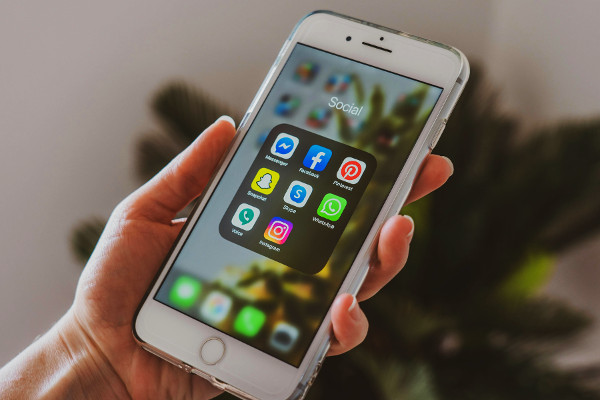
Part 7: How to Use Social Media Without Ruining Your Attention Span
A few scrolls turn into a long distraction, and getting back to focus feels harder than it should. Social media is designed to pull you in, often at the cost of your attention. The key isn’t quitting, but learning how to use it in a way that protects your clarity and mental energy.

Part 8: How to Improve Your Focus Attention, and Productivity When Living in Constant Digital Noise
Focus feels harder than it used to, and it’s not your imagination. Constant digital input trains your brain to expect interruption, making deep work more difficult. The good news is your attention isn’t lost, it’s just scattered. With a few practical shifts, you can strengthen it and work with greater clarity and ease.

Part 9: How Mindless Tech Use Affects Your Physical Health and What You Can Do About It
It’s easy to think screen time only affects your focus, but your body feels it too. Long hours sitting, constant scrolling, and late-night device use can leave you drained and tense. The good news is small, practical habits can help you stay connected while supporting your physical health.

Part 10: How to Avoid Anxiety and Mental Health Issues Caused by Digital Overwhelm and a Hyperconnected Life
Feeling anxious after time online isn’t a personal flaw, it’s often a response to too much input. When your brain rarely gets a break, even small things can feel overwhelming. The solution isn’t to disconnect completely, but to create space, set boundaries, and regain a sense of mental balance.

Part 11: How Can Digital Minimalism and Regular Digital Detox Improve Your Life?
Digital minimalism can sound extreme, but it doesn’t mean giving everything up. It’s about clearing out the noise so the tools you keep actually support your life. With a more intentional approach and regular breaks from screens, you can feel less overwhelmed, more focused, and more in control of your time.

Part 12: How to Use Technology Mindfully and Intentionally
Technology can support your life or quietly take it over, depending on how you use it. Small, unconscious habits often lead to constant distraction and mental clutter. By becoming more conscious with your choices, you can turn everyday digital interactions into something that feels purposeful, balanced, and aligned with what actually matters to you.

Part 13: How Conscious Living in a Technology-Driven World Can Lead to Fulfillment
It’s easy to move through the day on autopilot, reacting to messages, updates, and endless input. Over time, that pace can leave you feeling disconnected from what really matters. Choosing a more conscious, intentional way of living helps you slow down, stay present, and build a life that feels more meaningful and balanced.

Part 14: Digital Wellbeing Tips, Habits, Practices
This final part offers extra tips (beyond the ones from the previous 13 parts of the coure), wellness routines and practical exercises to reclaim focus, calm, and intentionality. From mindful mornings and evening wind-downs to attention resets, journaling, and tech-free zones, these habits help reduce digital overload, foster awareness, and create a healthier, more balanced relationship with technology in everyday life.