Mindful Gaming: Enjoy Video Games Without Losing Focus or Time
Video games are a beloved form of entertainment, offering immersive worlds, challenging puzzles, and social connection across the globe. Yet for many, gaming can become a double-edged sword, consuming hours without awareness and leaving players feeling distracted, frustrated, or guilty about lost time. Mindful gaming emphasizes intentional play, where enjoyment, focus, and mental wellbeing are balanced carefully. By adopting practical strategies and conscious habits, players can continue to enjoy video games without sacrificing productivity, relationships, or personal growth. This article provides guidance for building a sustainable, mindful approach to gaming that enhances rather than disrupts life.
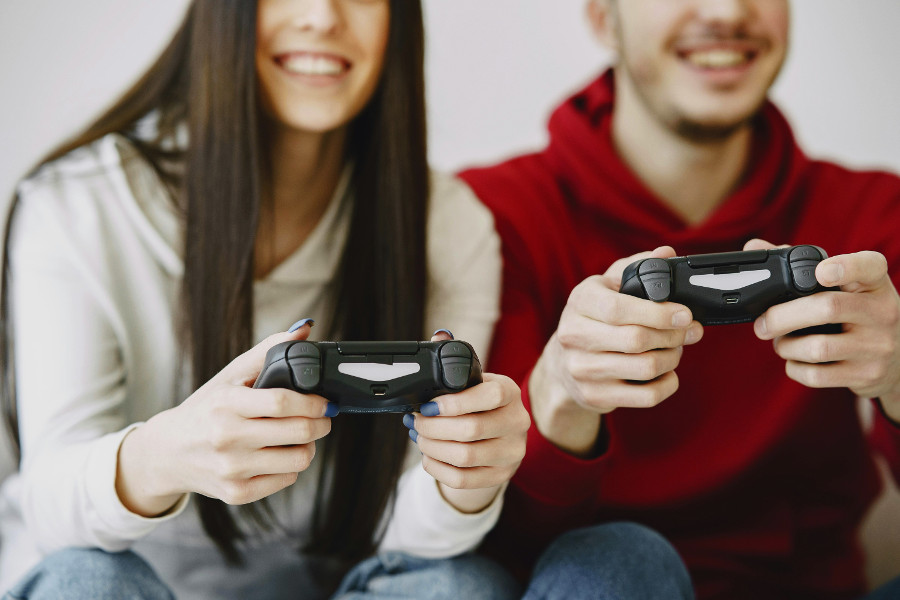
Balancing fun and mental wellbeing
Mindful gaming is about more than just limiting time; it is an intentional mindset that promotes awareness of your actions, emotional responses, and goals while playing. Unlike compulsive gaming, which can become automatic and disengaging, mindful gaming encourages reflection and purposeful engagement. It recognizes that gaming can be mentally stimulating, emotionally satisfying, and socially rewarding when approached with awareness. By embracing this mindset, players can enjoy the benefits of gaming - such as stress relief, skill development, and social bonding - without succumbing to distraction or overuse.
Understanding Mindful Gaming
Flow and enjoyment are central to mindful gaming. When a player is fully engaged, absorbed, and challenged at an appropriate level, gaming can provide cognitive stimulation, relaxation, and even emotional resilience. However, the modern gaming landscape - with endless quests, multiplayer competitiveness, and persistent online notifications - can disrupt focus and turn play into a source of stress. Mindful gaming recognizes these potential pitfalls and introduces strategies to navigate them without losing the benefits of play.
A key aspect of mindful gaming is distinguishing recreational play from escapism or avoidance. Games themselves are not harmful; rather, the way they are integrated into daily life determines their impact. By setting intentions and monitoring playtime, gamers can ensure that games serve as a source of joy, creativity, and social connection rather than a compulsive escape from responsibilities or emotions. This awareness allows for more meaningful, satisfying experiences.
The Benefits of Gaming Done Mindfully
When approached thoughtfully, video games can provide several mental, emotional, and social benefits. Cognitively, many games develop problem-solving skills, strategic thinking, spatial awareness, and decision-making under pressure. Emotionally, games can provide stress relief, emotional catharsis, and satisfaction from accomplishing challenges or completing quests. Socially, multiplayer or cooperative games foster connection, teamwork, and communication skills.
Mindful gaming helps players enjoy these benefits while minimizing the potential downsides of overuse, such as disrupted sleep, procrastination, or social isolation. By intentionally structuring gaming sessions and reflecting on emotional experiences, players can cultivate a healthier relationship with their hobby that supports overall wellbeing.
Principles for Mindful Gaming
Establishing guiding principles can help transform gaming into a purposeful activity rather than a source of distraction. One of the most important principles is intentionality: deciding why, when, and how long you will play. Monitoring time and energy ensures that gaming fits within daily routines without impeding work, study, or social life.
Creating healthy boundaries is equally essential. This can mean avoiding late-night sessions that interfere with sleep, turning off notifications during deep work periods, or limiting competitive online interactions that may generate stress. Additionally, prioritizing self-care - through physical activity, offline hobbies, and maintaining relationships - ensures that gaming remains a balanced, restorative activity.
Key principles include:
- Intentionality: Know your purpose for playing.
- Time awareness: Set limits and respect them.
- Environment control: Choose comfortable, distraction-free spaces.
- Reflective practice: Assess emotional impact and enjoyment afterward.
Structuring Your Gaming Routine
To integrate mindful gaming into daily life, a structured approach is highly effective. Time-blocking sessions allows players to enjoy games without compromising responsibilities. For example, short daily sessions or longer weekend blocks can be planned to provide consistent leisure while preventing excessive use. Gaming can also serve as a reward after completing tasks, promoting productivity while giving players something to look forward to.
Preparation and environment play a vital role in enhancing focus and enjoyment. A comfortable setup, ergonomic seating, hydration, and minimizing external distractions can improve the overall experience. Additionally, scheduling breaks during long sessions helps prevent fatigue and preserves cognitive engagement. By intentionally structuring play, gamers can fully immerse themselves while keeping control over time and energy.
Choosing Games Mindfully
Not all games are created equal in terms of time demands, emotional impact, and cognitive load. Choosing games that align with your intentions is crucial. Some games are ideal for relaxation, others for strategic challenge, social connection, or creative expression. Players should consider time investment and opt for titles with natural stopping points, adjustable difficulty, or self-contained sessions.
It’s also important to be mindful of games designed to encourage endless play, such as those with excessive grind or monetization systems. Alternating between high-focus and casual games can prevent burnout while maintaining a sense of accomplishment. Awareness of emotional responses - whether frustration, excitement, or flow - is critical in selecting games that genuinely enhance wellbeing.
Avoiding Common Pitfalls
Even with mindful intentions, gaming can still present challenges. Losing track of time, neglecting responsibilities, or succumbing to emotional hijacking - anger, anxiety, or competitiveness - can reduce enjoyment and wellbeing. Online social interactions may also introduce toxicity or social comparison that undermines the positive aspects of play.
Strategies to mitigate these pitfalls include:
- Using timers or alarms to track session length.
- Taking breaks for movement, hydration, or reflection.
- Muting or limiting interactions with toxic players or communities.
- Maintaining a focus on fun rather than external validation.
By implementing these approaches, players can reduce negative effects while sustaining engagement and enjoyment.
Integrating Mindful Gaming With Daily Life
Mindful gaming is most effective when integrated with broader lifestyle habits. Balancing gaming with offline hobbies, social connections, and physical activity ensures it complements rather than replaces essential routines. Maintaining boundaries during family time, travel, or work deadlines further reinforces healthy habits.
Reflective check-ins - weekly or monthly - help assess whether gaming remains enjoyable and aligned with personal goals. Adjusting game selection, session timing, or routines based on these reflections ensures sustainability and prevents gaming from becoming a source of stress or distraction.
Mindful Gaming as a Tool for Mental Wellbeing
When approached consciously, gaming can actively support mental health. Play can provide relaxation, social bonding, and cognitive stimulation that reduces stress and fosters resilience. By choosing games intentionally, limiting overuse, and maintaining awareness of emotional impact, players can harness gaming as a positive, restorative activity. Mindful gaming encourages presence and enjoyment, transforming a potentially time-consuming hobby into a beneficial part of a balanced digital lifestyle.
Useful links
- Headspace - Guided meditations, mindfulness exercises, and daily routines to manage stress. headspace.com
- Insight Timer - Free meditation library and guided sessions for relaxation and mental clarity. insighttimer.com
- r/getdisciplined/ - subreddit
Conclusion
Mindful gaming demonstrates that video games can be both enjoyable and mentally supportive when approached with intention and awareness. By establishing clear boundaries, choosing games thoughtfully, structuring routines, and reflecting on emotional and cognitive effects, players can maximize benefits while minimizing risks. With conscious habits, gaming becomes a tool for fun, social connection, and mental refreshment, allowing players to enjoy their favorite pastime without losing focus, time, or wellbeing. Mindful play empowers individuals to embrace their digital hobby responsibly, fostering a sustainable and fulfilling relationship with video games.
Quick Tips for Mindful Gaming
- Set clear limits: Decide how long you'll play before starting each session.
- Play with intention: Choose games that match your goals, whether relaxation, challenge, or social connection.
- Take breaks: Stand up, stretch, and step away periodically to maintain focus and comfort.
- Mute distractions: Turn off notifications or online chats that can interrupt immersion.
- Reflect after play: Assess enjoyment, emotional impact, and whether the session felt balanced.
- Mix game types: Alternate between high-focus, strategy, and casual games to prevent fatigue.
- Use gaming as a reward: Play after completing tasks or responsibilities for a guilt-free experience.